
Challenges and opportunities for carbon sequestration in grassland systems: a technical report on grassland management and climate mitigation
This 2010 FAO report makes a strong case for grasslands restoration as a climate mitigation strategy and “improved grazing management” as one of the most important practices for enhancing soil carbon stocks.
Soil Carbon Sequestration in Grazing Lands: Societal Benefits and Policy Implications

This paper from 2010 is a compilation of previous studies on grazing lands and carbon drawdown which themselves date from the 1990s. It shows that grazing lands/rangelands are major stores of terrestrial carbon, occupying approximately 3.6 billion hectares and accounting for about one-fourth of potential carbon (C) sequestration in world soils. Drawdown rates via grazing and on restored semi-arid savanna are reported to be as high as 2.75 tons per hectare per year.
Global Warming and Pasture-Raised Beef Production in the United States
This report evaluates the prospects for changing management practices to reduce the climate impact of the time beef cattle spend on pasture or rangeland. Improved practices are most readily applied to the finishing stage of fully pasture-raised systems—a growing alternative to CAFOs, given research showing that pasture finishing has nutritional and environmental benefits. In the long term, the use of climate-friendly best practices in the United States may lead to substantial cuts in global warming emissions if adopted in countries where beef production accounts for a greater share of those emissions.
Effect of grazing on soil-water content in semiarid rangelands of southeast Idaho

This papers shows that soils under a grazing method called “simulated holistic planned grazing” have the highest percent volumetric-water content of soils tested under three different grazing methodologies that also included “rest-rotation”, and “total rest”. Although this study was a simulation, it demonstrates the potential for soils managed with Holistic Planned Grazing to increase their water-holding capacity.
Soil Carbon Cowboys
This short film by Peter Byck follows producers who have taken the leap from conventional to regenerative agriculture.
The Soil Story
This short animated film by Kiss the Ground shows how soil can be one of our greatest allies in creating a healthier planet.
Restoring the Climate Through Capture and Storage of Soil Carbon

In this 2015 whitepaper by the Savory Institute, grasslands are discussed as an important carbon sink for addressing the climate crisis.
The Soil Will Save Us
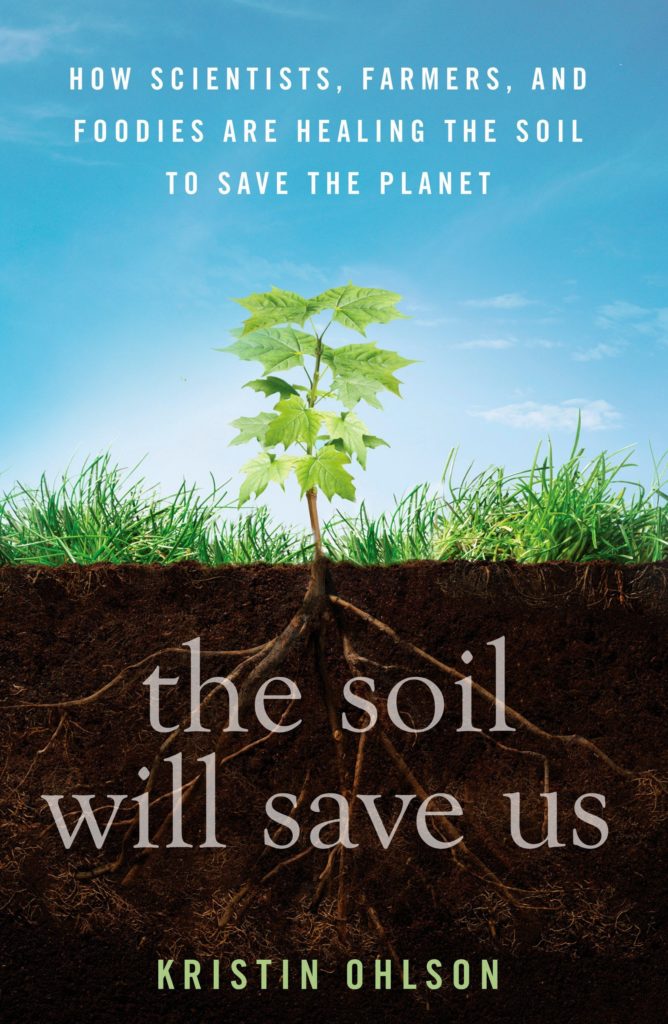
Journalist and bestselling author Kristin Ohlson makes an elegantly argued, passionate case for “our great green hope”—a way in which we can not only heal the land but also turn atmospheric carbon into beneficial soil carbon—and potentially reverse global warming.
Talking Points Regarding Savory
This whitepaper by Seth Itzkan (2013) addresses some of the common misconceptions about Savory’s work.
Cows Save the Planet
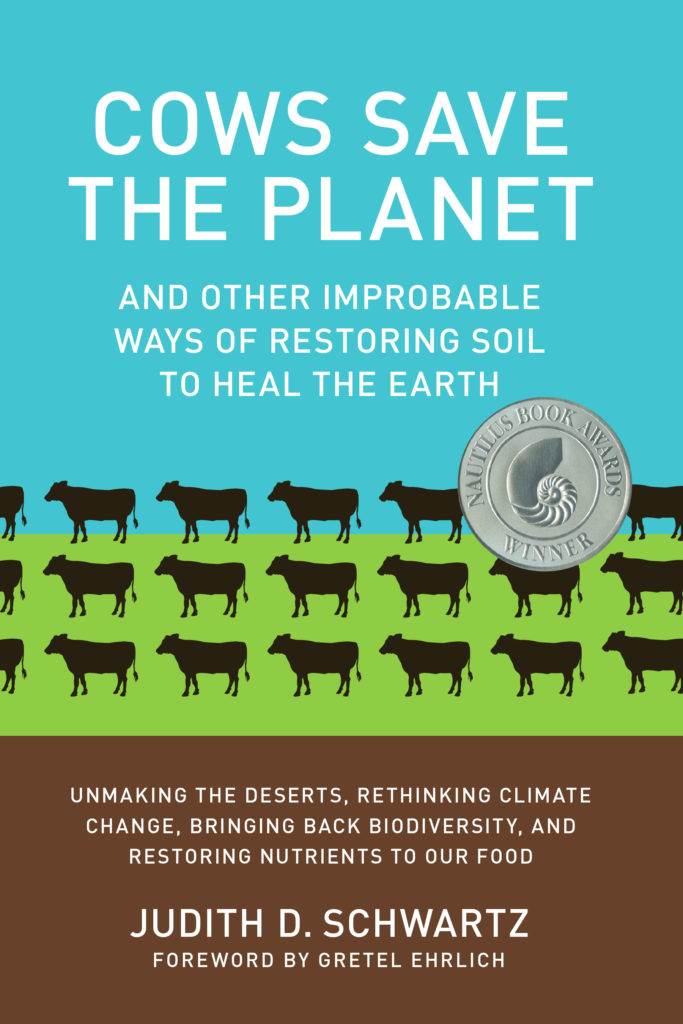
In Cows Save the Planet, journalist Judith D. Schwartz looks at soil as a crucible for our many overlapping environmental, economic, and social crises. Schwartz reveals that for many of these problems – climate change, desertification, biodiversity loss, droughts, floods, wildfires, rural poverty, malnutrition, and obesity – there are positive, alternative scenarios to the degradation and devastation we face.
