
The Soil Will Save Us
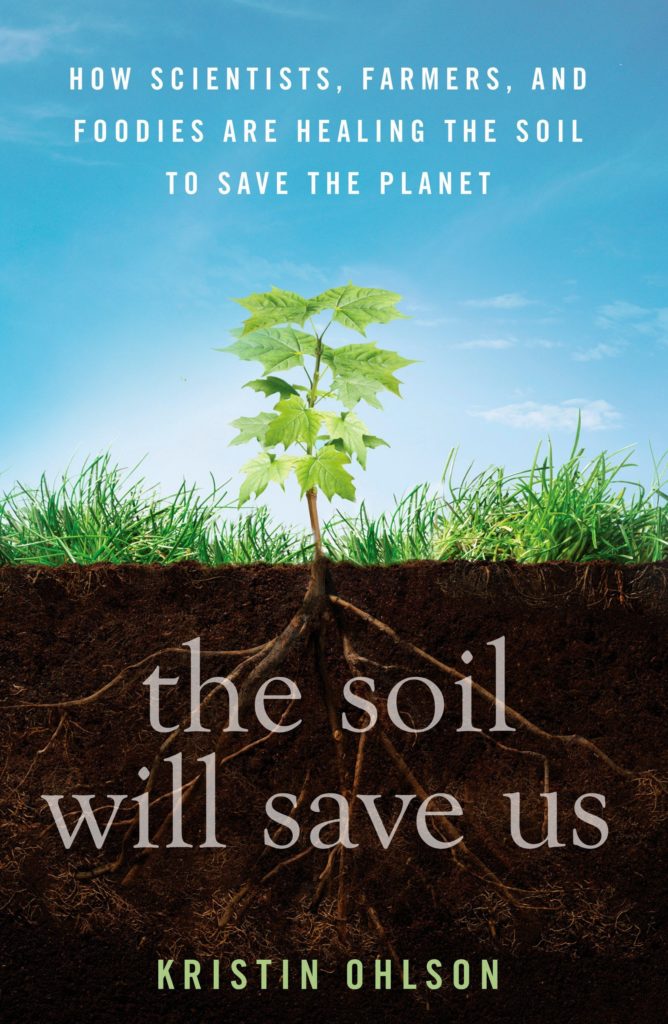
Journalist and bestselling author Kristin Ohlson makes an elegantly argued, passionate case for “our great green hope”—a way in which we can not only heal the land but also turn atmospheric carbon into beneficial soil carbon—and potentially reverse global warming.
The Fight Against Global Warming: A Failure and A Fix

Adam Sacks of Bio4Climate pens a lively and detailed discussion on livestock, climate, and the need to establish healthy soils as a means of managing excess carbon in the atmosphere.
Talking Points Regarding Savory
This whitepaper by Seth Itzkan (2013) addresses some of the common misconceptions about Savory’s work.
Cows Save the Planet
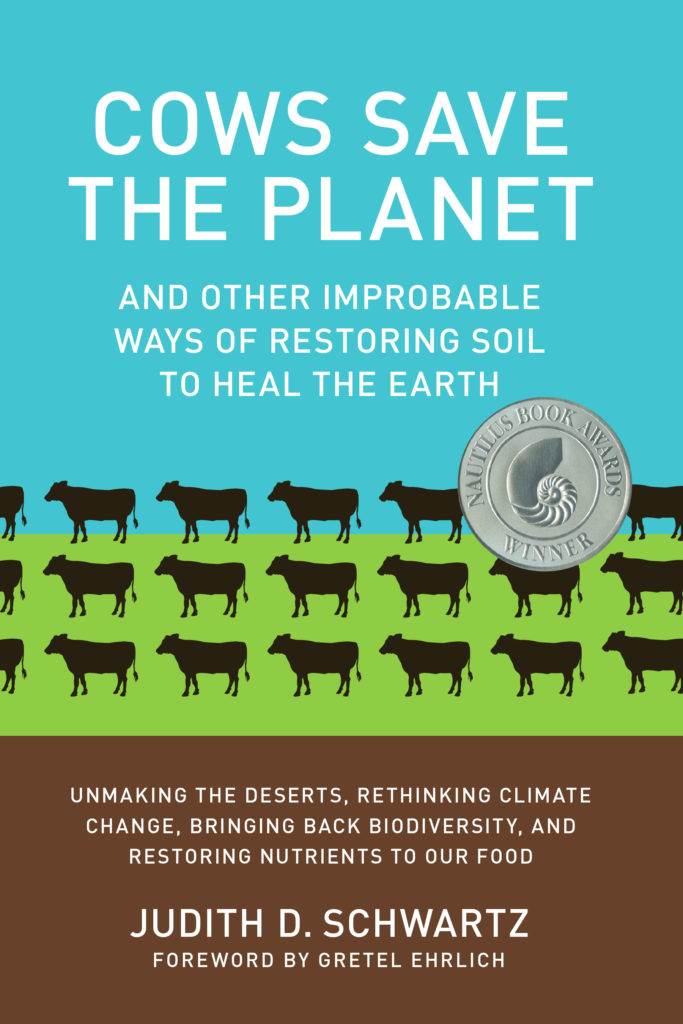
In Cows Save the Planet, journalist Judith D. Schwartz looks at soil as a crucible for our many overlapping environmental, economic, and social crises. Schwartz reveals that for many of these problems – climate change, desertification, biodiversity loss, droughts, floods, wildfires, rural poverty, malnutrition, and obesity – there are positive, alternative scenarios to the degradation and devastation we face.
Tall Fescue Management in the Piedmont: Sequestration of Soil Organic Carbon and Total Nitrogen

Grazing is shown to be superior to haying for organic C and N sequestration. Sequestration rates of 1.51 Mg C ha−1 yr−1 and 0.126 Mg N ha−1 yr−1 were measured during managed grazing of tall fescue over a period of 8 years on land in the southeastern United States that had previously been degraded via haying.
The Potential of U.S. Grazing Lands to Sequester Carbon and Mitigate the Greenhouse Effect
This book describes grazing lands, the areas they occupy, and their important role in sequestering C to help mitigate the greenhouse effect. Table 16.1 shows that rangelands in the US can sequester between 17.5 and 90.5 million metric tons of carbon per year through soil enhancement measures including improved grazing and conversion of crops to pasture.
