
Amping up soil carbon: soil carbon stocks in California rangelands under adaptive multi-paddock and conventional grazing management

This study measured soil carbon across 64 California ranches and found that AMP-grazed pastures held 13–29% more soil carbon than conventionally grazed ones. The gains extended deep into the soil profile, highlighting AMP grazing’s strong potential for long-term carbon storage and climate impact.
Ruminating on soil carbon: Applying current understanding to inform grazing management
This paper proposes a unified conceptual framework combining plant ecophysiology and soil biogeochemistry to explain how soil organic carbon (SOC) accumulates and is stabilized in grazed systems.
Holistic Management Animated Video

This short, 3-minute video provides a simple and accessible overview of Holistic Management with accompanying animations that illustrate key concepts.
Green Grass in the Spring
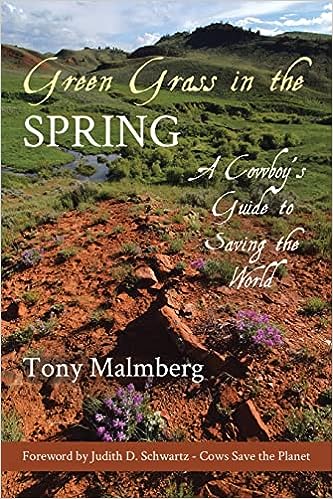
Tony Malmberg’s memoir following his path from conventional ranching to Holistic Management, interspersed with practical management lessons along the way.
To Which We Belong (2021)
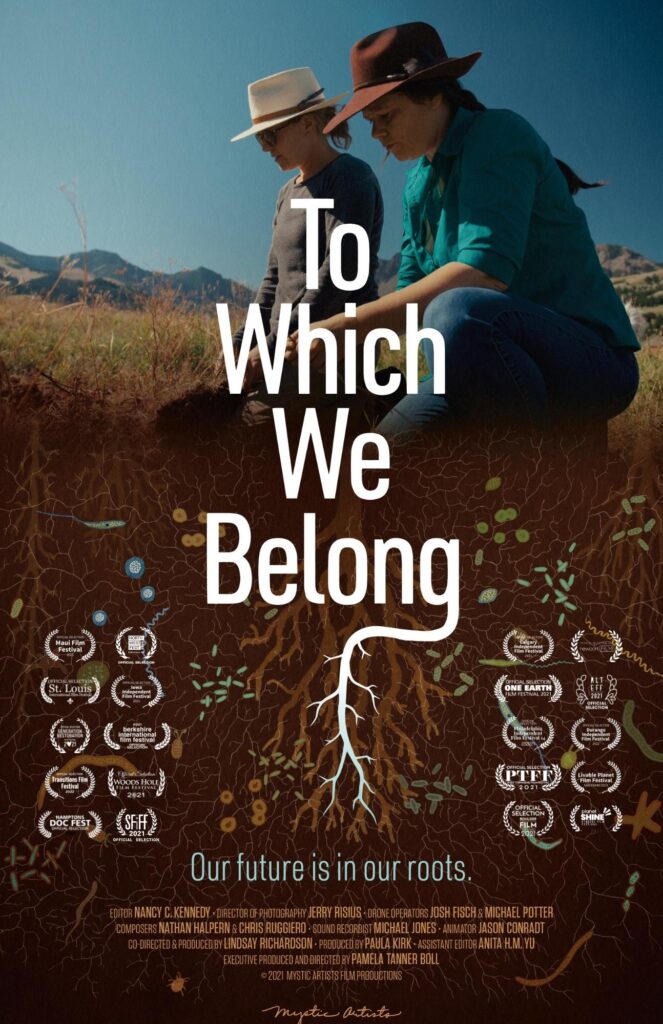
To Which We Belong’ is a documentary that highlights farmers and ranchers leaving behind conventional practices that are no longer profitable or sustainable. These unsung heroes are improving the health of our soil and sea to save their livelihoods — and our planet.
Creating a Sustainable Civilization
‘Creating a Sustainable Civilization: An Introduction to the Holistic Management Decision-Making Process’ is based on a lecture given by Allan Savory at the University of New Mexico, Albuquerque in August 1995.
Sacred Cow (2021)
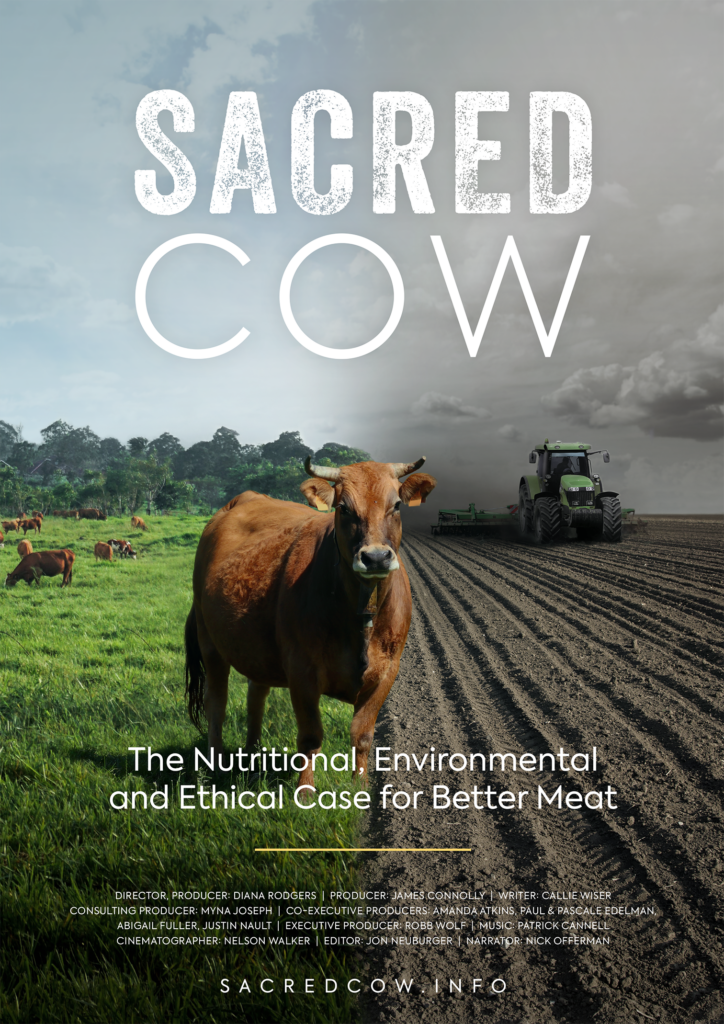
In Sacred Cow, registered dietitian Diana Rodgers and former research biochemist and New York Times bestselling author Robb Wolf explore the quandaries we face in raising and eating animals—focusing on the largest (and most maligned) of farmed animals, the cow. Taking a critical look at the assumptions and misinformation about meat, Sacred Cow points out the flaws in our current food system and in the proposed “solutions.”
Managing soils for negative feedback to climate change and positive impact on food and nutritional security

This paper by Dr. Rattan Lal detailing the scope of nature-based climate solutions, including but not limited to grasslands and soils. Findings show that “the soil C sink capacity, between 2020 and 2100, with the global adoption of best management practice which creates a positive soil/ecosystem C budget, is estimated at 178 Pg C for soil, 155 Pg C for biomass, and 333 Pg C for the terrestrial biosphere with a total CO2 drawdown potential of 157 ppm.”
Understanding the Brittleness Scale
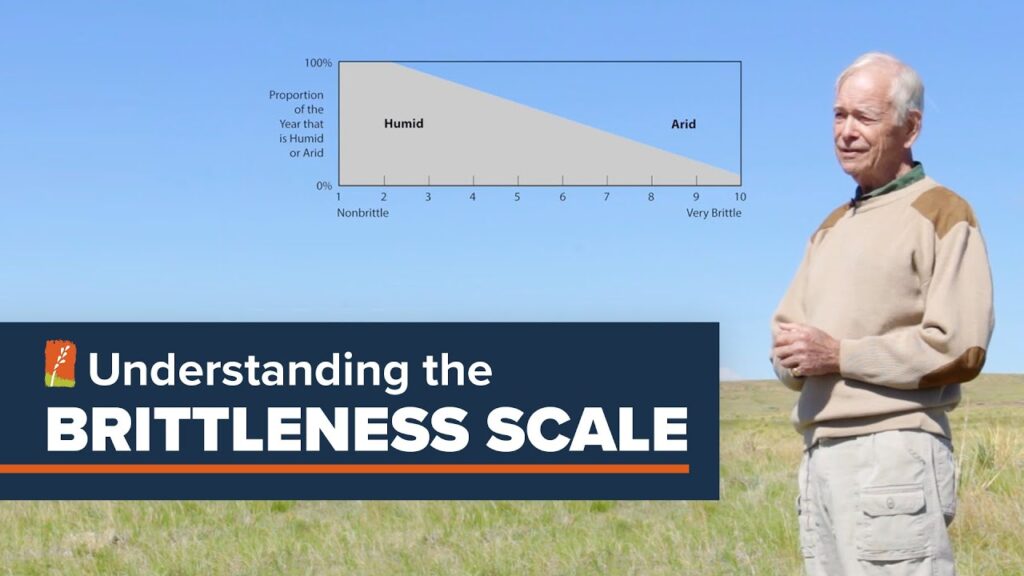
Learn the concept of brittleness and how understanding where your region falls on the brittleness scale can affect the management options for your ranch or farm. This video shows examples on both a brittle-tending ranch and a non-brittle-tending piece of land.
Ecosystem Impacts and Productive Capacity of a Multi-Species Pastured Livestock System
This paper conducted a whole-farm life cycle assessment (LCA) of a multi-species pasture rotation (MSPR) farm in the southeastern United States that was originally converted from degraded cropland. Results showed an average of 2.29 Mg C ha−1 yr−1. Incorporation of soil C sequestration into the LCA reduced net GHG emissions by 80%, resulting in a footprint 66% lower than commodity production systems.
