
Ganado o Desierto (2023)
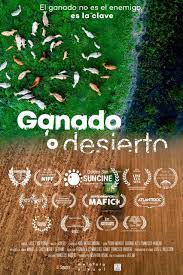
The fight to reverse climate change is putting animals in the crosshairs. The purpose of this documentary is focused on showing the use of livestock for the regeneration of pastures, soils, trees and water. Good livestock management shows itself in a real way as a solution for the restoration of ecosystems and rural economies.
Network Leadership and Practice
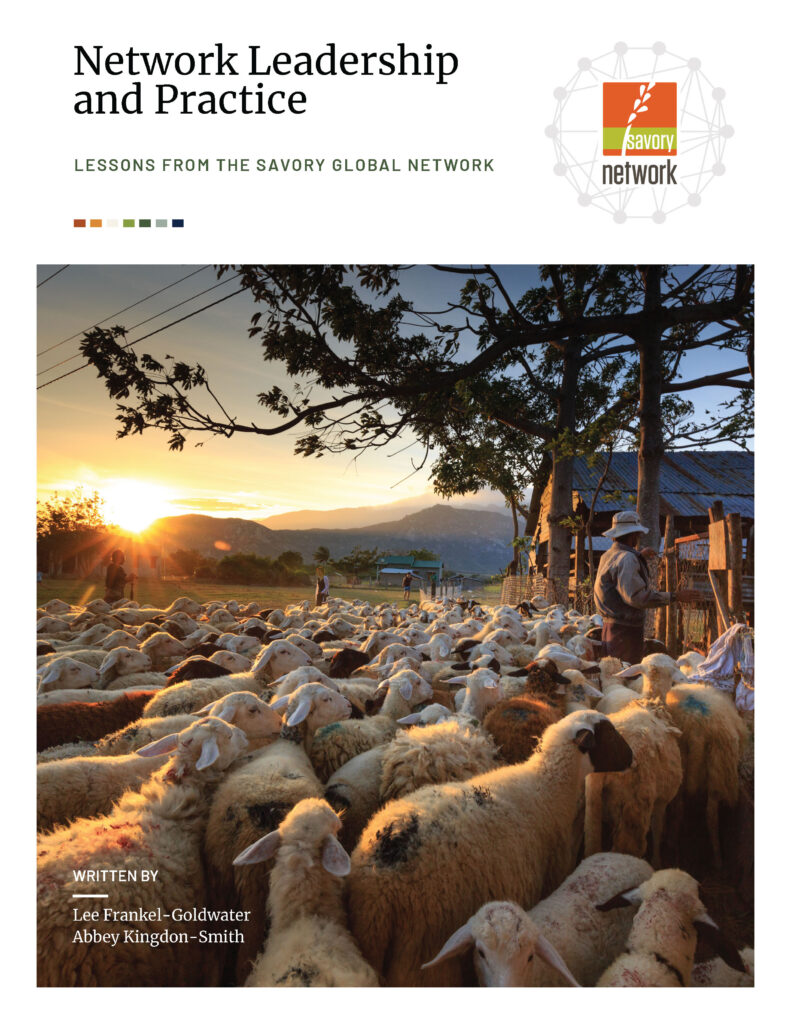
This report summarizes findings from a five-year partnership between University of Colorado Boulder researchers and the Savory Global Network team. The aim of this report is to highlight five key themes around network leadership and practice identified over the course of studying Savory Global Network activities.
To Which We Belong (2021)
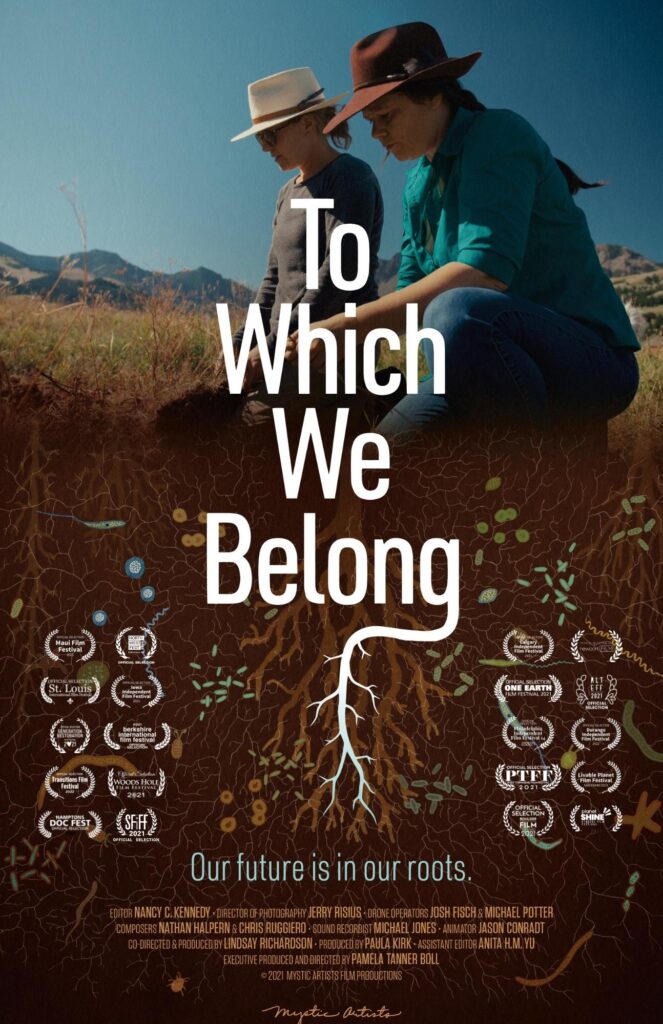
To Which We Belong’ is a documentary that highlights farmers and ranchers leaving behind conventional practices that are no longer profitable or sustainable. These unsung heroes are improving the health of our soil and sea to save their livelihoods — and our planet.
Ecosystem Impacts and Productive Capacity of a Multi-Species Pastured Livestock System

This paper conducted a whole-farm life cycle assessment (LCA) of a multi-species pasture rotation (MSPR) farm in the southeastern United States that was originally converted from degraded cropland. Results showed an average of 2.29 Mg C ha−1 yr−1. Incorporation of soil C sequestration into the LCA reduced net GHG emissions by 80%, resulting in a footprint 66% lower than commodity production systems.
Holistic Management and Adaptive Grazing: A Trainers’ View
The authors avoid the usual debates on whether or not Holistic Management, Holistic Planned Grazing, or any its many derivatives deliver outcomes as claimed by practitioners, and instead focuses on their contribution to managing complexity. Holistic Management’s biggest acknowledged contribution to the grazing world is (arguably) its emphasis on adaptivity, strategic decision-making, goal-setting, and ability to manage complexity. Based on data gathered from educators in American and Canada who have trained many farmers and ranchers, the authors conclude that Holistic Management represents systems thinking in practice.
The Effect of Holistic Planned Grazing on African Rangelands: A Case Study from Zimbabwe
South Africa’s Agricultural Research Council completed this study over a 6-year period comparing the Africa Centre for Holistic Management’s land at Dimbangombe under Holistic Planned Grazing (HGP), to nearby communal areas where HPG was not practiced. The researchers concluded that HPG yields positive long-term effects on ecosystem services (soils and vegetation) and points to the HPG approach enhancing the sustainability of livestock and wildlife in this environment.
Regenerative Renegades
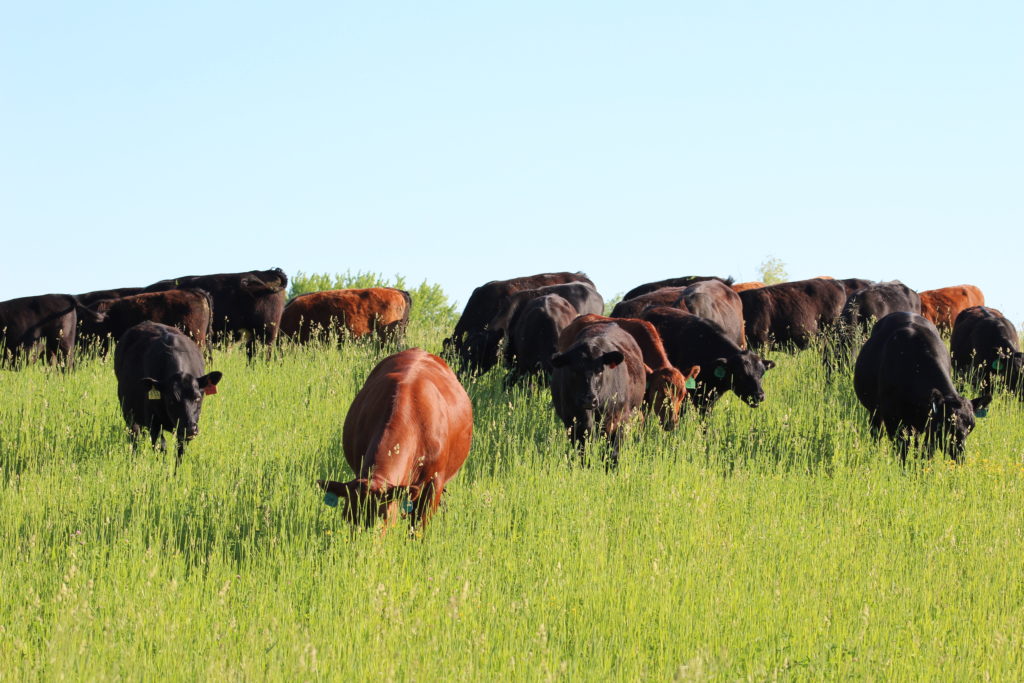
This mini-documentary follows Thousand Hills Lifetime Grazed, a Land to Market Verified meat brand and Savory Hub located in Minnesota, USA.
Ecological Health Index study published by MSU & Ovis 21
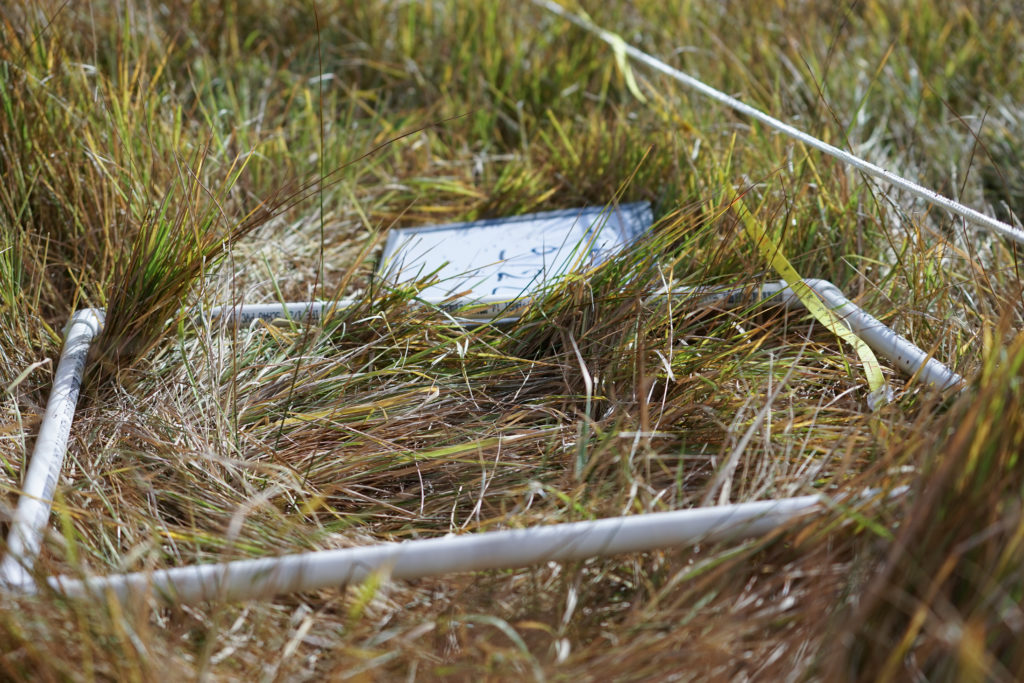
Peer-reviewed study demonstrates the efficacy of the Ecological Health Index––a component of the Ecological Outcome Verification protocol––for quickly and affordably measuring grazing land function.
Carbon Footprint Evaluation of Regenerative Grazing at White Oak Pastures
Lifecycle analysis on White Oak Pastures’ beef. Results demonstrated that a pound of protein sequestered 3.5 pounds of CO2, in comparison to conventional beef which emitted 33 pounds of CO2 per pound of protein, or even Impossible Burger or Beyond Meat which emitted 3.5 pounds and 2 pounds of CO2 per pound of protein, respectively.
Controlled intensive grazing: Savannah Grasslands, Africa
This chapter appears in a book about sustainable land management, the development of water buffers, and the business case in favor of investment in natural resource management.
